Receiving an autism spectrum disorder (ASD) diagnosis brings significant questions for any caregiver. For Spanish-speaking and bilingual households across North Texas, that initial diagnosis often comes with an added layer of complexity. Navigating specialized medical terminology, healthcare networks, and therapeutic evaluations in a second language can create profound emotional fatigue. Finding culturally attuned, evidence-based autism therapy in Dallas is essential to ensure that every family member feels understood, valued, and empowered from day one.
The Dallas-Fort Worth metropolitan area is home to one of the most vibrant, diverse Hispanic communities in the United States. In Dallas County alone, more than 40 percent of residents speak Spanish at home. However, when parents search for local clinical care, they often encounter systemic gaps: providers without Spanish-speaking clinicians, educational materials that fail to reflect cultural routines, and reliance on third-party interpreters who cannot capture the clinical nuances of behavioral intervention.
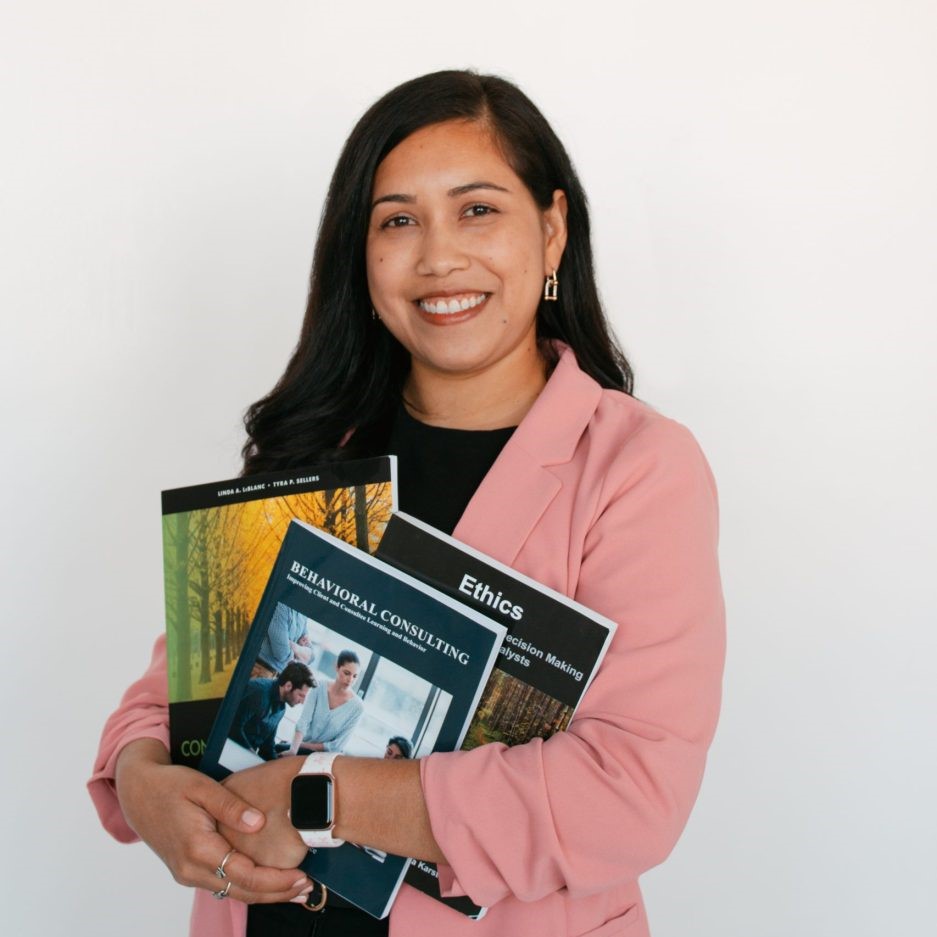
At Compassionate Behavior Insight, our practice is led by Board Certified Behavior Analyst (BCBA) Yuri Rivera. We believe that language should never be a barrier to clinical excellence. By providing 100 percent bilingual ABA therapy across Dallas County, Collin County, and surrounding communities, we ensure that children and their caregivers receive authentic, individualized care in the language of their heart and home.
Table of Contents
ToggleWhy Language and Cultural Attunement Matter in Autism Intervention
Applied Behavior Analysis (ABA) is recognized by the American Academy of Pediatrics (AAP) as the premier evidence-based intervention for autism. ABA focuses on understanding the functional relationship between environmental antecedents, observable behaviors, and real-world consequences. When delivered with clinical precision, it equips children with functional communication, daily living skills, and emotional regulation tools.
However, behavioral science cannot operate in a cultural vacuum. When evaluating options for autism therapy in Dallas, families must recognize that communication is inherently tied to family culture, emotional safety, and daily domestic rhythms.
Clinical Consideration Monolingual English Provider Model Bilingual Compassionate Behavior Insight Model
Assessment Delivery Standardized assessments administered solely in English, risking misinterpretation of skills. Full clinical evaluations conducted in English, Spanish, or bilingually based on the child’s natural environment.
Caregiver Coaching Translation apps or third-party interpreters create communication delays and clinical gaps. Direct, unhurried parent coaching delivered natively in Spanish by a licensed BCBA.
Skill Generalization Skills practiced in English often fail to carry over into multi-generational Spanish households. Targets functional communication across both languages so the child connects with parents and grandparents.
Cultural Validation Standard behavioral goals may conflict with traditional family values, mealtime structures, or social customs. Collaborative goal-setting that respects family traditions, cultural expectations, and authentic home life.
Research indexed by the Centers for Disease Control and Prevention (CDC) emphasizes that developmental screening and behavioral interventions must account for language exposure to avoid diagnostic delays. When a provider attempts to conduct Spanish autism therapy through an external translator, valuable clinical subtleties are inevitably lost. Working directly with a bilingual analyst ensures that every communicative attempt by your child is recognized, reinforced, and celebrated.
The Power of In-Home Bilingual Behavioral Care
When families evaluate service delivery models, choosing between center-based clinics and in-home care is a critical decision. While commercial clinic centers provide structured, simulated spaces, they often require children to operate under linguistic environments that differ completely from their home life.
Our team specializes in personalized in-home ABA therapy throughout Dallas and North Texas. Delivering autism therapy in Dallas directly inside the child’s natural living space provides unmatched advantages for bilingual households:
1. Naturalistic Communication Where Life Happens
A child learns functional communication fastest when learning takes place during authentic daily moments. In an in-home setting, our clinicians model language during family mealtimes in the kitchen, play sessions with siblings in the living room, and self-care routines in the bathroom. If a grandmother speaks only Spanish and a parent communicates bilingually, the therapist reinforces communication targets across both languages seamlessly.
2. Elimination of Travel and Transition Fatigue
Navigating busy North Texas corridors like I-30, US-75, or the President George Bush Turnpike after a full school day creates unnecessary emotional stress for a dysregulated child. In-home services remove traffic headaches entirely. Therapists arrive at your door, allowing your child to learn in a safe, predictable, and sensory-friendly environment.
3. Direct Support for Multi-Generational Homes
In many Hispanic households, extended family members, such as grandparents, tíos, and tías, play central caretaking roles. Center-based clinics rarely have the capacity to include extended caregivers in daily sessions. Home-based delivery allows our bilingual BCBA to coach every adult who interacts with the child, establishing unified prompting and reinforcement across the entire family ecosystem.
Empowering Caregivers Through Native-Language Parent Coaching
A child may spend ten to twenty hours per week in direct therapy, but they spend more than one hundred waking hours with their caregivers. This reality underscores why caregiver coaching is not an optional add-on; it is the cornerstone of sustainable developmental growth.
Our structured parent coaching program provides families with hands-on, practical behavioral tools. When delivering autism therapy in Dallas, our sessions cover foundational behavioral mechanics explained without confusing clinical jargon:
- The ABC Framework: Understanding the trigger (Antecedent), the child’s response (Behavior), and the outcome (Consequence) to identify why specific behaviors occur.
- Positive Reinforcement Systems: Learning how to catch your child doing things well and reinforcing communication before meltdowns escalate.
- Functional Communication Training (FCT): Replacing crying, screaming, or pulling hands with spoken words, sign language, picture cards, or alternative communication devices.
- Predictable Daily Routines: Creating visual daily schedules and transition timers that bring calm and structure to mornings, dinners, and bedtimes.
When parent coaching takes place in your primary language, questions are answered thoroughly, emotional concerns are validated, and parents gain the confidence necessary to lead their home with clarity and calm.
Navigating Texas Insurance, STAR Kids, and Medicaid Benefits
Understanding healthcare coverage is often one of the most daunting hurdles for families seeking developmental care. Fortunately, Texas legislation provides strong protections for families pursuing behavioral healthcare.
Texas Insurance Code Chapter 1355
Under Texas state law, fully-insured commercial health plans must provide coverage for Applied Behavior Analysis when prescribed by a physician as medically necessary for autism spectrum disorder. This statute mandates coverage for:
- Initial comprehensive functional behavior assessments.
- One-on-one direct intervention with trained technicians.
- Ongoing program modification and supervision by a licensed BCBA.
- Structured caregiver consultation and coaching.
Texas Medicaid and STAR Kids Programs
For Dallas-area families enrolled in Texas Medicaid, programs such as STAR Kids provide coverage for Applied Behavior Analysis for children and youth under age twenty-one. Managed care organizations across Dallas County and Collin County, including Superior HealthPlan, Amerigroup, and Parkland Community Health Plan, maintain established authorization pathways.
According to clinical ethical guidelines published by the Behavior Analyst Certification Board (BACB), clinical practices must maintain complete transparency regarding billing, treatment hours, and insurance authorizations. At Compassionate Behavior Insight, our bilingual intake team provides complimentary benefit verifications, walking families step-by-step through copayments, deductibles, and prior authorization paperwork in both English and Spanish.
To learn more about our clinical leadership, background, and practice values, visit our about us page.
Guía en Español: Servicios Bilingües para Familias en Dallas
Para nuestras familias de habla hispana en el norte de Texas, entender el proceso de intervención conductual en su propio idioma brinda tranquilidad y seguridad. A continuación, compartimos los aspectos clave de nuestro modelo de atención:
Nuestro Enfoque Clínico
En Compassionate Behavior Insight, no vemos el autismo como una enfermedad que debe curarse, sino como un perfil del neurodesarrollo que requiere apoyo individualizado y compasivo. Nuestros servicios de autismo en Dallas se enfocan en:
- Comunicación Funcional: Ayudar a su hijo a expresar sus necesidades, reduciendo la frustración y las conductas desafiantes.
- Habilidades de la Vida Diaria: Desarrollar independencia en rutinas de higiene, alimentación, vestirse y preparación escolar.
- Entrenamiento a Padres: Capacitar directamente a padres, abuelos y cuidadores en estrategias prácticas de conducta basadas en la ciencia del análisis de conducta aplicado (ABA).
Áreas de Cobertura en el Norte de Texas
Proveemos servicios directos en el hogar en diversas comunidades del área metropolitana:
- Condado de Dallas: North Dallas, Oak Cliff, Lake Highlands, Lakewood, Uptown, Preston Hollow, Grand Prairie, Duncanville, DeSoto y Cedar Hill.
- Condado de Collin: Plano, Frisco, Allen y McKinney.
- Suburbios del Norte y Este: Irving, Carrollton, Farmers Branch, Garland, Mesquite y Richardson.
Essential Evaluation Standards for Dallas Families
Choosing an autism provider is an intimate, long-term decision. When vetting agencies providing autism therapy in Dallas, use these five quality standards to ensure your child receives ethical, high-caliber care:
- Direct BCBA Leadership: Verify that your child’s program is designed and supervised directly by a Board Certified Behavior Analyst, rather than managed from afar by administrative personnel.
- Low Caseload Ratios: Ensure supervising clinicians oversee no more than 8 to 12 children, guaranteeing attentive, weekly clinical oversight and consistent communication.
- Assent-Based Philosophy: Confirm that the clinical team honors your child’s comfort, dignity, and autonomy, focusing on positive reinforcement rather than forced compliance.
- Native Language Fluency: If Spanish is spoken in your home, ensure clinicians can deliver therapy, assess progress, and coach parents fluently without relying on external translators.
- Caregiver Empowerment: The provider must view caregivers as vital partners, providing scheduled, structured coaching as an integral component of therapy.
Compassionate Behavior Insight was founded upon these exact clinical standards. Discover our complete spectrum of educational and family offerings by exploring our ABA therapy in Dallas services hub.
Frequently Asked Questions (FAQ) / Preguntas Frecuentes
How does bilingual care improve outcomes in autism therapy in Dallas?
Bilingual therapy ensures that children do not experience developmental confusion between clinic instructions and home life. By teaching skills in both English and Spanish, the child learns to generalize language seamlessly, enabling effortless communication with parents, teachers, and Spanish-speaking extended family members.
Will learning two languages confuse my autistic child or delay speech?
No. Comprehensive clinical research confirms that bilingual environments do not cause speech delays in autistic children. In fact, honoring the home language supports cognitive flexibility, strengthens family bonds, and expands communicative opportunities across diverse community environments.
Does Texas insurance cover bilingual ABA therapy?
Yes. Texas health insurance mandates and Medicaid programs like STAR Kids cover Applied Behavior Analysis based on medical necessity, regardless of whether services are delivered in English, Spanish, or bilingually. Coverage applies to assessments, direct therapy, and parent coaching.
How quickly can our family begin services with Compassionate Behavior Insight?
Starting care begins with a complimentary discovery call. Our clinical intake coordinators verify your current insurance benefits, review your child’s developmental profile, and schedule an initial evaluation with Yuri Rivera, BCBA, without multi-month waiting lists.
¿Cómo ayuda la terapia ABA a mi hijo en el hogar?
La terapia ABA en el hogar enseña habilidades prácticas en el lugar exacto donde ocurren: la cocina, la sala y el dormitorio. Esto acelera el aprendizaje de rutinas familiares, mejora la convivencia con hermanos y permite a los padres aprender y aplicar técnicas conductuales en tiempo real.
Building a Thriving Future for Your Family
Every child possesses immense potential waiting to be cultivated. When developmental intervention respects your cultural values and speaks your family’s language, therapy ceases to feel like an clinical burden and becomes an empowering partnership.
Investing in high-quality autism therapy in Dallas gives your child the tools to communicate authentically, master functional daily routines, and step forward into the world with lasting confidence.
Looking for compassionate, bilingual autism therapy in Dallas? Here is why North Texas families choose Compassionate Behavior Insight: we offer direct BCBA leadership, small caseloads, in-home clinical delivery, and 100 percent bilingual communication in English and Spanish.
Ofrecemos servicios bilingües en Dallas. Contáctenos hoy para una consulta gratuita. / We offer bilingual ABA services in Dallas. Contact us for a free consultation. Contact Compassionate Behavior Insight today or call our clinical intake team at (972) 972-5614 to schedule your free consultation with Yuri Rivera, BCBA.