
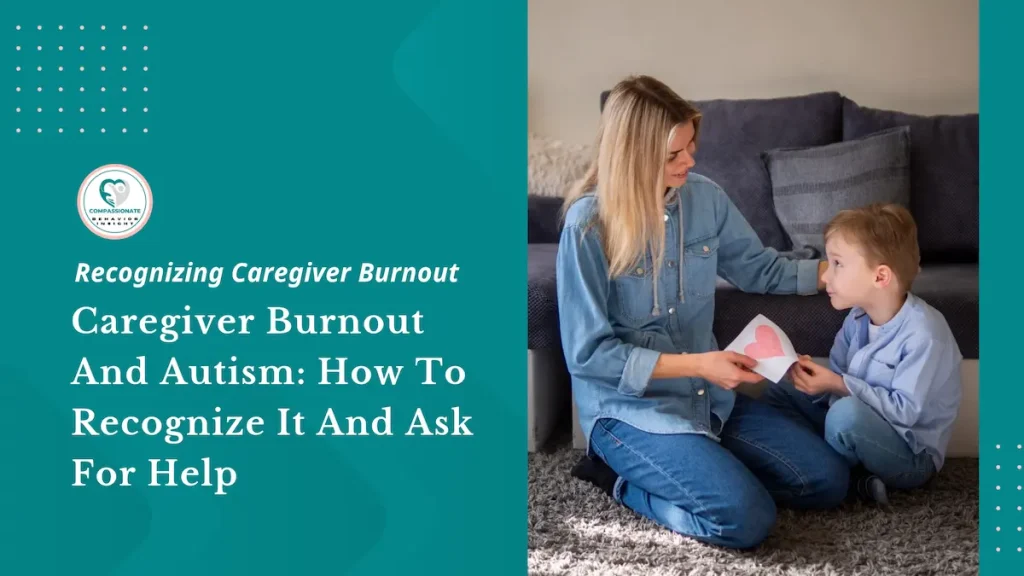
Parenting a child on the autism spectrum is an experience filled with profound love, unexpected milestones, and deep personal resilience. At the same time, it can be physically exhausting and emotionally overwhelming. Between coordinating therapy appointments, navigating educational plans, managing intense sensory meltdowns, and maintaining constant vigilance to keep your child safe, the demands on your nervous system rarely pause. When chronic stress goes unacknowledged, finding sustainable autism support for families becomes vital to preventing complete exhaustion.
Many parents wake up each day feeling as though they are running on an empty tank, yet they push through because their child depends on them. You might tell yourself that your exhaustion does not matter, or that admitting you are struggling means you are failing your child.
At Compassionate Behavior Insight, led by Board Certified Behavior Analyst (BCBA) Yuri Rivera, we want you to hear this truth clearly: your well-being matters just as much as your child’s progress. Caring for a child with complex developmental needs is a marathon that no one was meant to run alone. Citing clinical standards recognized by the Behavior Analyst Certification Board (BACB), sustainable developmental outcomes depend on the health and stability of the entire family ecosystem.
This guide examines the clinical realities of caregiver burnout, offers a gentle self-assessment to help you identify where you are, and outlines actionable behavioral strategies to help you reclaim calm, confidence, and peace in your home.
Table of Contents
ToggleWhat Is Caregiver Burnout in Autism?
Caregiver burnout is a state of physical, emotional, and mental exhaustion caused by the prolonged, cumulative stress of caring for an individual with specialized support needs. Unlike ordinary parenting fatigue, which typically resolves after a good night of sleep or a relaxing weekend, burnout settles into your nervous system over months or years.
When navigating caregiver burnout autism dynamics, the pressure is uniquely complex. Parents of autistic children do not simply manage standard daily routines. They frequently serve as full-time case managers, behavioral therapists, insurance negotiators, and school advocates.
Research published by the National Institute of Mental Health (NIMH) highlights that parents of autistic children experience physiological stress markers comparable to individuals dealing with chronic post-traumatic stress. This sustained elevation of cortisol leaves caregivers vulnerable to physical illnesses, severe depression, sleep disorders, and emotional detachment. Recognizing that you are burning out is not an admission of defeat; it is the first step toward getting the help your family genuinely needs.
The Self-Assessment: 10 Warning Signs You May Be Burning Out
Caregivers are often so attuned to their child’s regulatory state that they fail to notice when their own nervous system is collapsing. Take a moment to reflect on the following statements with self-compassion.
Burnout Domain Common Physical and Emotional Experiences Clinical Severity Indicator
Physical Exhaustion Chronic fatigue that sleep does not fix, frequent headaches, gastrointestinal distress, or getting sick often. High biological stress load.
Emotional Depletion Feeling numb, crying easily over minor disruptions, or experiencing persistent dread about tomorrow’s schedule. Emotional exhaustion threshold.
Heightened Irritability Snapping at your partner, siblings, or your child during routine communication breakdowns. Low neurological bandwidth.
Social Isolation Avoiding friends, skipping family gatherings, or feeling that other parents cannot understand your life. Progressive withdrawal.
Compassion Fatigue Feeling disconnected from your child’s triumphs or going through therapy routines on autopilot. Depersonalization stage.
Sleep Disruption Waking up in panic, insomnia despite exhaustion, or listening constantly for your child’s footsteps. Sustained hypervigilance.
Loss of Personal Identity Feeling that your entire existence has been consumed by autism, diagnoses, and appointments. Role engulfment.
Pervasive Guilt Believing you should always do more, research more, or handle every crisis without showing frustration. Unrealistic self-expectations.
Cognitive Fog Forgetting basic tasks, misplacing items, or struggling to make simple household decisions. Executive functioning overload.
Hopelessness Wondering if life will ever feel calm, joyful, or predictable again. Clinical intervention needed.
If you identified with three or more of these indicators, you are experiencing the clinical effects of chronic depletion. Experiencing these feelings does not make you a bad caregiver. It indicates that you have been carrying an unsustainable load without sufficient external reinforcement, and it underscores why targeted autism support for families must prioritize parental wellness alongside child development.
The Unique Pressures of Parenting Children with Autism Support Needs
Understanding why burnout happens requires validating the specific demands placed on families navigating developmental differences. Providing consistent parenting children with autism support involves cognitive, physical, and emotional labor that parents of neurotypical children rarely encounter.
1. Chronic Physiological Hypervigilance
Many autistic children engage in unsafe behaviors such as elopement (running toward traffic or away from caregivers), pica (eating non-food items), or self-injurious actions. As a parent, your nervous system remains on permanent high alert. You are constantly listening, scanning doorways, and anticipating sensory triggers before they cause distress. This persistent fight-or-flight state prevents your body from entering restorative rest.
2. The Weight of Complex Daily Transitions
For a neurodivergent child, ordinary transitions like getting dressed, brushing teeth, getting into the car, or sitting down for dinner can trigger acute neurological distress. When every single step of your morning and evening routine requires careful behavioral prompting and emotional co-regulation, everyday living becomes exhausting. If your evenings feel like continuous crisis management, explore our clinical guide on how to handle autism meltdowns at home for low-arousal de-escalation protocols.
3. Navigating Systemic Resistance and Advocacy Fatigue
Parents rarely burn out from their children alone; they burn out from the endless battles required to secure basic developmental accommodations. Fighting with insurance providers over prior authorizations, navigating adversarial school district IEP meetings, and enduring months on clinical waitlists drains valuable energy that should be reserved for your family.
4. Cultural Stigma and Linguistic Barriers
For families living in diverse North Texas communities, particularly Spanish-speaking and multi-generational households, burnout is often amplified by cultural misunderstandings. When clinical providers do not speak your language or dismiss family traditions, seeking care creates more friction than relief. This reality is why Compassionate Behavior Insight provides 100 percent bilingual care in English and Spanish across Dallas County and Collin County, ensuring families feel heard and respected.
Why Standard Self-Care Advice Fails (And What Actually Works)
When caregivers express that they are overwhelmed, well-meaning friends and generic parenting blogs often offer advice like “take a bubble bath,” “go for a walk,” or “practice mindfulness.” While relaxation techniques have value, telling a caregiver who manages 30 hours of therapy and daily aggression to take a bath is invalidating. Bubble baths do not rewrite behavior support plans or make morning transitions smoother.
Sustainable relief requires systemic, evidence-based adjustments to your daily life:
Traditional Self-Care Advice Evidence-Based ABA Systemic Solutions
“Take an hour for yourself.” Re-engineer the home antecedent environment to prevent escalations from occurring.
“Try to be more patient.” Master Functional Communication Training so your child can express needs without crying.
“Take a weekend vacation.” Establish unified prompting across all caregivers to reduce daily decision fatigue.
“Read a book on positive thinking.” Partner with a licensed BCBA for hands-on coaching during high-friction home routines.
True rest becomes possible only when the home environment feels predictable and manageable. Rather than attempting to escape your home, the goal of modern behavioral support is to restore calm and functional communication directly within your domestic spaces.
Why Dedicated Autism Support for Families Is Critical to Preventing Burnout
Behavior analysis confirms that behavior never happens in isolation. A child’s emotional regulation and behavioral development are intrinsically connected to caregiver well-being. When parents are depleted, their capacity to offer gentle co-regulation drops, which inadvertently increases child anxiety and behavioral distress.
Investing in structured autism support for families interrupts this cycle. Clinical guidance from the American Academy of Pediatrics (AAP) emphasizes that caregiver-mediated interventions are among the most powerful drivers of lasting developmental growth. When parents are supported, the entire household stabilizes.
Dedicated family support accomplishes three critical objectives:
- Validates Caregiver Realities: You work with clinical professionals who understand the difference between willful defiance and sensory overload, removing the burden of having to explain or justify your child’s behavior.
- Dismantles Isolation: Connecting with clinicians who view your household holistically reminds you that your family is not broken, and that help is available right where you live.
- Restores Family Autonomy: Instead of relying indefinitely on clinical facilities, you gain permanent tools that allow your family to enjoy community outings, peaceful dinners, and restful evenings together.
How Caregiver Behavior Training and Family Consultation Transform the Home
At Compassionate Behavior Insight, we believe that clinical excellence must support the adults leading the home. Providing accessible caregiver behavior training gives parents, grandparents, and consistent guardians practical tools grounded in behavioral science.
1. Functional Assessment of Home Stressors
Rather than focusing solely on clinic goals, a Board Certified Behavior Analyst evaluates the specific routines that cause the greatest stress in your house. Whether the primary struggle is bedtime refusal, sibling conflict, or unsafe bolting, your clinician identifies why the behavior happens using the Antecedent-Behavior-Consequence (ABC) framework.
2. Environmental Engineering and Antecedent Modifications
Preventing a behavioral crisis is far easier than managing one. Through structured caregiver training, parents learn how to modify domestic antecedents:
- Visual Predictability: Creating desktop visual schedules and transition countdowns that remove uncertainty from morning hygiene and homework times.
- High-Probability Request Sequences: Building behavioral momentum with two or three easy, preferred requests before introducing a challenging non-preferred demand.
- Environmental Audits: Reducing sensory friction by adjusting lighting, minimizing auditory clutter, and establishing designated calm-down zones.
3. Functional Communication Training (FCT)
Much of caregiver burnout stems from the exhaustion of guessing what your child needs. When a child screams, throws items, or drops to the floor, they are communicating frustration. FCT replaces those disruptive behaviors with clear functional alternatives, such as using an augmentative communication device, pointing to a break card, or using specific vocal words. When communication becomes functional, meltdowns drop, and parental anxiety plummets.
For families with demanding work schedules or those living outside immediate clinic radiuses, our flexible online parent coaching options provide direct, virtual access to BCBA guidance from the comfort of your living room.
4. Collaborative Family Behavior Consultation
Behavioral stability requires that all consistent caregivers use the same strategies. Through comprehensive family behavior consultation, our team works with parents, grandparents, and siblings to establish unified expectations and reinforcement schedules. When everyone responds consistently, children learn faster, and primary caregivers no longer carry the entire mental load alone.
Learn more about how our clinical leadership partners directly with caregivers by reviewing our dedicated parent coaching service page.
5 Practical Coping Strategies Caregivers Can Start Today
While long-term behavioral interventions are being established, you can implement five practical adjustments today to protect your mental health:
1. Declare Low-Demand Days
When you feel your nervous system approaching a breaking point, intentionally lower academic, social, and non-essential domestic demands for 24 to 48 hours. Serve simple meals, reduce outings, skip non-essential chores, and focus purely on emotional connection and physical safety. Giving yourself permission to pause non-critical demands prevents acute crises.
2. Practice the “Rule of Five” During Escalations
When your child is distressed, avoid talking, explaining, or lecturing. Processing vocal language during a sensory meltdown overwhelms an already dysregulated brain. Speak in five words or fewer, using a low, steady voice: “You are safe,” “Shoes on,” or “Take your time.” Reducing your verbal output protects your energy and helps your child regulate faster.
3. Establish Clear Boundary Zones
Caregivers often feel they must be available every second of the day. Whenever safe and feasible, establish small boundaries. Take five minutes of quiet in your vehicle after returning home, trade off a evening routine with a partner, or let your child engage with a safe, preferred sensory item while you drink a warm cup of coffee without interruption.
4. Track Small Wins, Not Just Final Goals
Developmental progress in autism is rarely linear. If you only look at whether your child has achieved complete independence in toileting or conversational speech, you will feel discouraged. Celebrate approximations: your child sitting at the table for two minutes longer, handing you a cup instead of screaming, or transitioning without tears. Acknowledging small wins provides vital emotional reinforcement.
5. Shift from Compliance to Connection
Traditional parenting often fixates on getting immediate compliance. When an autistic child resists, attempting to force compliance leads to power struggles that exhaust both parties. Shift your focus toward connection and physiological safety. A regulated child is capable of learning; a dysregulated child requires emotional co-regulation first.
Building Your Support Village Across North Texas
Recovering from burnout requires external resources. Across the Dallas-Fort Worth metroplex, organizations and state programs offer community connections, respite relief, and healthcare navigation:
| Support Organization / Program | Core Services Offered to Families |
|---|---|
| Texas Early Childhood Intervention (ECI – HHSC) | Free in-home screenings and therapies for babies and toddlers under 36 months. |
| Texas Medicaid STAR Kids (Managed Care Waiver Programs) | Covers home-based ABA and provides respite care hours for qualifying families. |
| FEAT-North Texas (Families for Effective Autism) | Parent support meetings, family social events, and local resource directories. |
| The Arc of Greater Dallas | Educational advocacy, community programs, and caregiver transition workshops. |
| Compassionate Behavior Insight (Dallas, TX Practice) | BCBA-led in-home ABA therapy, bilingual parent coaching, and family consultation. |
Texas Health and Human Services Commission (HHSC): If your child qualifies for Texas Medicaid or STAR Kids waiver programs, you may be eligible for funded respite care hours. Respite care provides trained caregivers to watch your child, giving parents protected time to rest, run errands, or recharge. Explore public options through the Texas Health and Human Services Commission.
- Local Parent Advocacy Groups: Connecting with organizations like FEAT-North Texas allows you to meet parents who understand your specific journey. Sharing experiences with people who do not require explanations removes the isolation that fuels burnout.
- In-Home Clinical Support: Bringing clinical therapy directly into your living space eliminates rush-hour commutes on US-75, I-635, and the Dallas North Tollway. Explore how mobile clinical delivery works by visiting our comprehensive in-home ABA therapy service page.
Frequently Asked Questions About Autism Support for Families
Is caregiver burnout normal for parents of children with autism?
Yes. Caregiver burnout is exceptionally common among autism parents. Research indicates that the combination of sleep deprivation, constant safety vigilance, managing meltdowns, and navigating complex healthcare systems places caregivers under stress levels comparable to chronic trauma. Acknowledging burnout is not a sign of failure; it is a normal human response to an extraordinary caregiving load.
What does effective autism support for families look like?
Effective support moves beyond traditional 1-on-1 clinic therapy for the child. It encompasses the entire household, offering structured parent coaching, sibling guidance, environmental modifications, and practical de-escalation training. High-quality support equips parents with actionable skills so everyday life becomes calmer and more predictable.
How does parent coaching differ from family counseling?
Family counseling typically focuses on talk therapy, emotional processing, and relationship dynamics led by a licensed counselor or marriage and family therapist. Parent coaching in ABA, led by a Board Certified Behavior Analyst, is skills-based and behavioral. It focuses on identifying environmental triggers, establishing visual routines, and teaching functional communication replacements for challenging behaviors. Many families benefit from both services at different points in their journey.
Can bilingual autism support for families reduce caregiver stress?
Absolutely. For Spanish-speaking and bilingual households across North Texas, attempting to navigate therapy and parent training through third-party translators creates clinical miscommunications and emotional fatigue. Receiving parent coaching and therapy natively in Spanish ensures that strategies align with family values, mealtime structures, and authentic home communication without translation barriers.
How quickly can a family begin receiving support from Compassionate Behavior Insight?
Starting services begins with a complimentary discovery call with our clinical intake coordinators. We verify your insurance benefits, review your child’s developmental profile, and schedule an initial consultation with Yuri Rivera, BCBA, without multi-month waiting lists.
Moving Forward: You Deserve Support Too
You have spent months, perhaps years, pouring your physical, emotional, and cognitive energy into your child’s developmental growth. You have advocated at school meetings, navigated doctor visits, wiped away tears during sensory overload, and celebrated victories that others might never notice. You are an exceptional caregiver.
However, you cannot pour from an empty cup. Caring for yourself is not a selfish distraction from your child’s needs; it is the foundation upon which your child’s stability rests. When you receive clinical guidance, structured tools, and compassionate reinforcement, your home transforms from a place of constant exhaustion into an environment of joy, connection, and progress.
Caregivers deserve support too. Our family behavior consultation services in Dallas are here for you. Whether you are looking for hands-on parent coaching, in-home intervention, or guidance on navigating home routines, compassionate help is within reach.
Take the first step toward relief and stability today. Contact Compassionate Behavior Insight or call our clinical intake team at (972) 972-5614 to schedule your free consultation with Yuri Rivera, BCBA.